 Unofficial fan project
Wright, Reyes, and Beltran
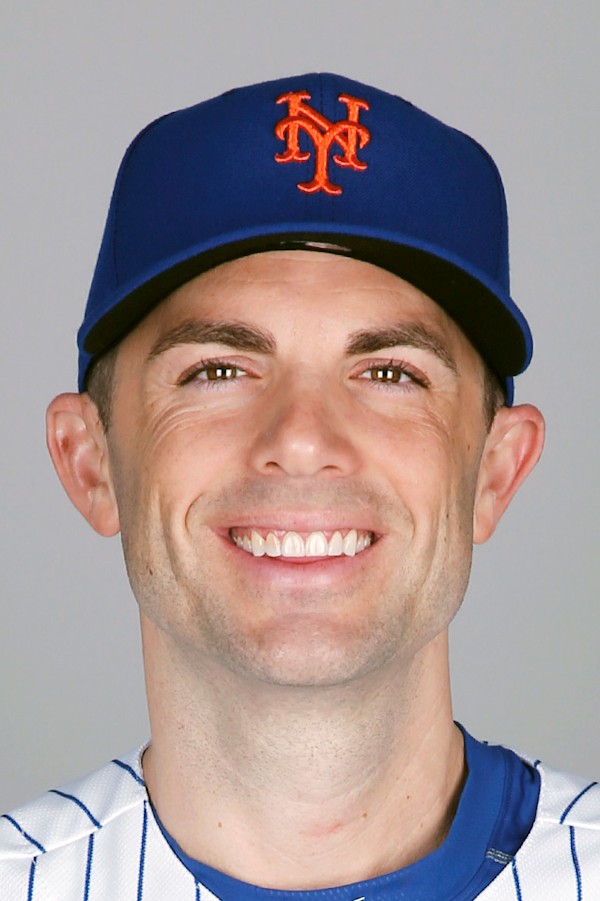
David Wright
Third baseman · Mets 2004–2016, 2018
The part fans remember
What the numbers leave out.
Wright was supposed to be the guy. He hit, defended, ran, and handled New York without acting like the pressure was a big deal. His back injury stole the ending he deserved, which is why his final game still feels so unfair.
Wright was drafted in 2001 with a pick the Mets received after Mike Hampton left, which makes his story feel like one of those lucky turns the franchise rarely gets. He reached the majors in 2004, started hitting almost at once, and soon joined José Reyes as the homegrown heart of a new contender. From 2005 through 2008, he looked like the complete third baseman: average, power, speed, defense, and a calm way of handling New York.
The team around him fell apart after the collapses of 2007 and 2008, but Wright stayed. Citi Field’s original dimensions hurt his power, the roster kept changing, and he still became captain in 2013. The cruel part was that spinal stenosis arrived just when the Mets finally became good again. He fought back in 2015, homered in his first game off the injured list, and hit a World Series homer at Citi Field.
His final game in 2018 was not about a pennant or a record. It was a full ballpark thanking a player whose body would no longer let him continue. Wright’s numbers place him near the top of almost every Mets hitting list, but the connection went deeper than that. Fans saw him choose the Mets again and again, even when staying was the difficult choice.
The honest version
The best stretch
Wright’s three-year peak from 2006 through 2008 showed almost every skill a position player could offer. He hit for average and power, stole bases, drove in runs, played every day, and won Gold Gloves at third. Just as important, he and José Reyes made the Mets feel young and homegrown again. They were not stars borrowed from somewhere else. Fans had watched both of them arrive, improve, and become the center of a contender.
The part that got messy
His story changed when Citi Field opened. The large dimensions held down his power, the roster around him weakened, and then spinal stenosis took away the healthy ending he deserved. Wright never turned bitter in public. He kept rehabbing, kept returning, and accepted the responsibility of being captain even when he could no longer stay on the field. That loyalty is a major reason the bond between Wright and Mets fans became deeper than his statistics.
Why fans still care
The 2015 World Series home run mattered because it gave Wright one October moment on the biggest stage. The Mets did not win the series, but seeing the captain circle the bases at Citi Field felt like a reward for everyone who had watched him carry bad teams without complaining. His final game in 2018 was less a normal retirement than a thank-you between a player and a fan base that knew how much of his career had been stolen.
Wright was the player Mets fans wanted to succeed because he seemed to care as much as they did. He stayed through collapses, rebuilding years, and the injuries that stole the ending his career deserved. Seeing the captain finally reach the World Series in 2015—and then return for one last game in 2018—meant more than any line on the back of a baseball card.
Signature Mets momentThe captain and franchise leader in hits, RBI, and runs scored.
The short list
The stuff worth remembering.
- 01Seven-time All-Star
- 02Two Gold Gloves
- 032015 National League champion