 Unofficial fan project
The Mets Powerhouse
Howard Johnson
Third baseman · Mets 1985–1993
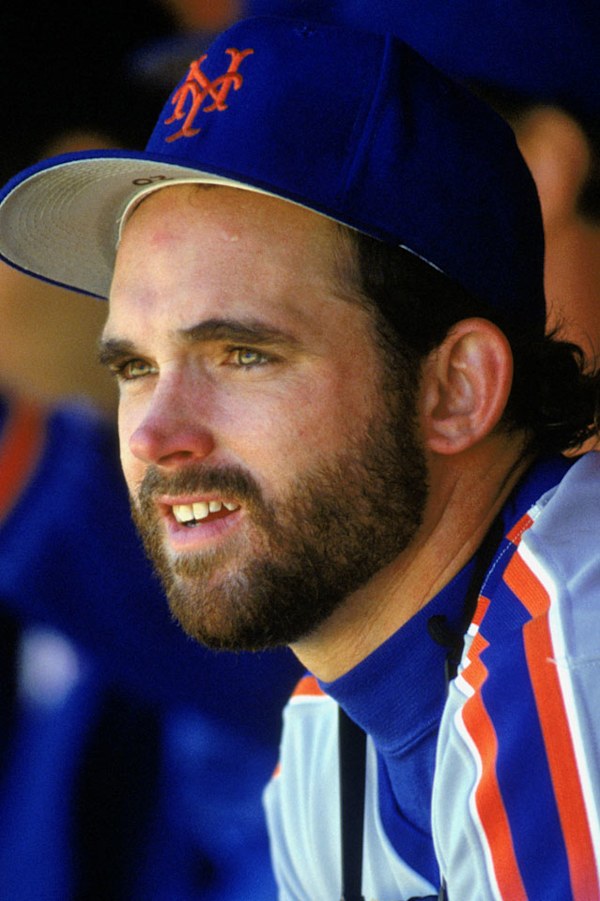
The part fans remember
What the numbers leave out.
HoJo could hit a home run, steal a base, and then make you forget he had just done both. His three 30–30 seasons made him one of the strangest and most dangerous offensive players in Mets history.
The Mets traded pitcher Walt Terrell to Detroit for Johnson after the 1984 season. At first, HoJo was a bench player on a crowded roster and had only a small role on the 1986 champions. Once Ray Knight left, third base opened, and Johnson turned that chance into one of the most unusual power-speed peaks in team history.
He reached 30 home runs and 30 stolen bases in 1987, 1989, and 1991. The last of those seasons included 38 homers and 117 RBI, leading the National League in both categories. He switch-hit, ran aggressively, and could carry the offense even as the great 1980s roster began to break apart.
His defense and streaky hitting sometimes frustrated fans, and he played on only one Mets postseason team despite all that production. That helps explain why his peak can be forgotten outside New York. Inside Mets history, three 30–30 seasons speak loudly: HoJo was one of the franchise’s most dangerous offensive players.
The honest version
The best stretch
Johnson’s 1989–91 peak was a rare mix of switch-hitting power and speed. He produced three 30–30 seasons as a Met and led the National League in home runs and RBI in 1991. At his best, HoJo could pull a ball into the seats, beat out a play with his legs, and change the score before the pitcher found a comfortable matchup. Few third basemen of his time created that many different problems.
The part that got messy
His rise required patience. On the loaded 1986 team, Johnson was a bench player searching for playing time behind Ray Knight. Once third base opened, he became a star. That path gave him a championship ring before his best individual seasons arrived, but it also meant much of his peak happened as the great Mets roster began to thin and the postseason trips disappeared.
Why fans still care
Defense and streaky stretches kept him from receiving the same reputation as the cleaner all-around stars in team history. Mets fans remember the production more clearly: the quick bat, the stolen bases, and the repeated 30–30 seasons before that combination became common. His Hall of Fame place within the franchise recognizes a player whose best work was both unusual and sometimes underappreciated.
HoJo could hit a ball into the upper deck, steal second, and then make the next play more adventurous than necessary. That was part of the experience. His three 30–30 seasons show how dangerous he was, especially after the championship core began to change. He is not always the first name mentioned from that era, but at his peak he was one of the best players in the league.
Signature Mets momentThe only Met to post three different 30-home-run, 30-steal seasons.
The short list
The stuff worth remembering.
- 011986 World Series champion
- 02Two-time All-Star
- 03Two-time NL home-run leader