 Unofficial fan project
Piazza, Alfonzo, and the Return to October
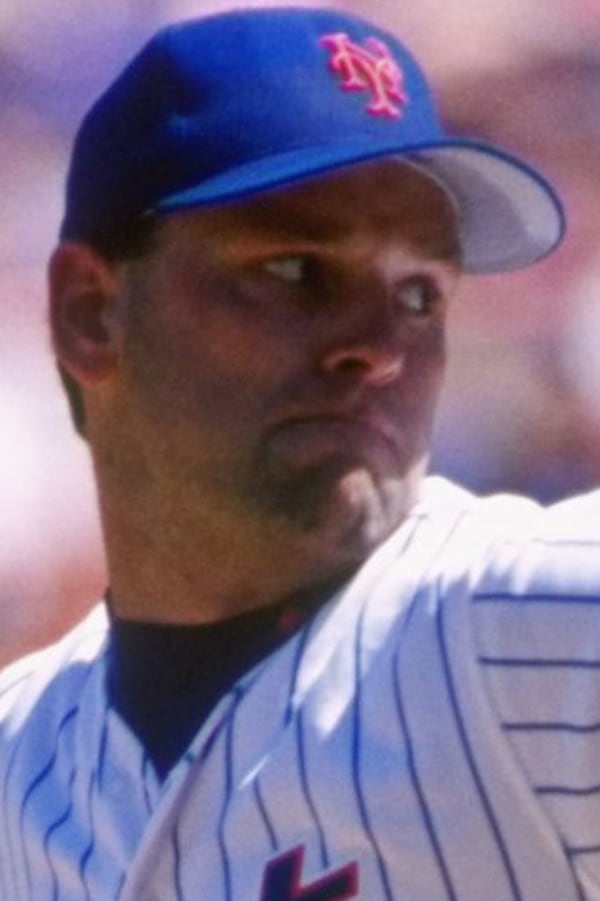
Rick Reed
Starting pitcher · Mets 1997–2001
The part fans remember
What the numbers leave out.
Reed was an unlikely success story who became a dependable starter. His control and consistency helped bridge the Mets from rebuilding to contention.
Reed arrived at spring training in 1997 as a non-roster pitcher with a complicated reputation because he had worked as a replacement player during the 1994–95 strike. He was 32 and had never held a major-league job for long. Then he made the team, filled an opening in the rotation, and quietly became one of the biggest surprises of the season.
He went 13–9 with a 2.89 ERA in 1997 and helped the Mets jump from 71 wins to 88. Reed made the All-Star team in 1998 and stayed in the rotation as the club moved into the playoffs in 1999 and won the pennant in 2000. He did not overpower hitters; he changed speeds, threw strikes, and forced them to beat him.
The Mets traded him to Minnesota during the 2001 season, ending five years that nobody could have predicted when he first entered camp. Fans love prospects because of what they might become. Reed’s story worked in reverse: almost all the expectations were gone, and then a dependable winning pitcher appeared anyway.
The honest version
The best stretch
Reed’s 1997–99 peak was one of the least likely success stories in Mets history. He arrived as a non-roster invitee after years of moving between organizations and the added stigma of having worked as a replacement player during the 1994–95 strike. Once given a rotation spot, he threw strikes, changed speeds, and made a career out of trusting command over raw power.
The part that got messy
He became an All-Star in 1998 and a dependable starter for the 1999 and 2000 playoff clubs. On teams with louder pitchers and bigger personalities, Reed’s calm outings were easy to take for granted. He rarely looked dominant, but he forced hitters to supply their own power and kept the Mets in game after game.
Why fans still care
The replacement-player choice remained part of his story and cost him union membership, which should not be ignored. Neither should the baseball. Reed won 59 games as a Met after the sport had nearly decided he was finished. His years in Queens show how a player without prospect hype can still become an important part of a contender through command, durability, and stubborn belief.
Reed’s story is the kind fans love once they get past how unlikely it sounds. He arrived without hype, won a rotation job, threw strikes, and became an All-Star on a contender. There was never much spectacle to his starts; he simply kept the Mets in games. On teams filled with larger personalities, that dependability was easy to overlook and impossible to replace.
Signature Mets momentWon 59 games for the Mets after arriving as a replacement player and non-roster invitee.
The short list
The stuff worth remembering.
- 011998 All-Star
- 022000 National League champion
- 03Five steady Mets seasons