 Unofficial fan project
The Mets Powerhouse
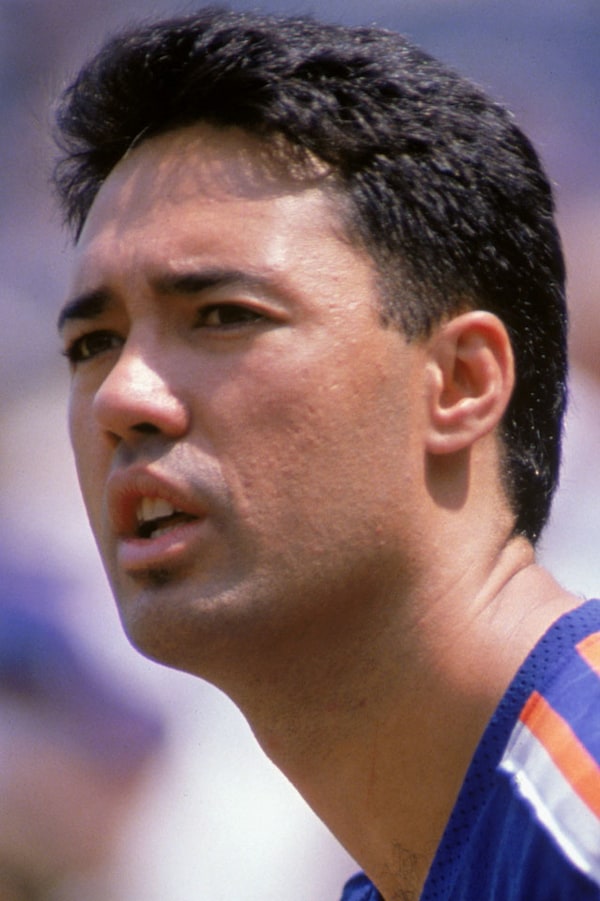
Ron Darling
Starting pitcher · Mets 1983–1991
The part fans remember
What the numbers leave out.
Darling’s intelligence and deep mix of pitches made him a steady part of the great 1980s rotation. He was especially strong during the 1986 World Series.
The Mets acquired Darling from Texas in the 1982 trade for Lee Mazzilli, another move that helped turn the franchise toward its future. He debuted late in 1983 and joined Gooden, Fernandez, and later Ojeda in a rotation filled with different styles. Darling relied on movement and thought as much as raw power, often pitching his way out of problems he had created with walks.
He won 16 games in 1985 and made his only All-Star team. In the 1986 World Series, Darling threw seven scoreless innings in Game 1 and seven more strong innings in Game 4. He pitched better than his Series record looked, but Boston finally reached him in Game 7 before the Mets’ offense mounted its comeback.
Darling remained in the rotation as the championship team slowly came apart and was traded in 1991. Years later, he returned through the television booth and became one of the voices explaining the game to Mets fans every night. The broadcaster is thoughtful because the pitcher had to be; he spent his career studying how to survive each inning.
The honest version
The best stretch
Darling’s 1984–86 peak gave the young Mets another starter who seemed built for important games. He mixed pitches, changed eye levels, and thought through lineups rather than relying on one overpowering weapon. In 1985 he made the All-Star team, and in 1986 he won 15 games for a rotation with enough talent to overwhelm almost any opponent.
The part that got messy
His World Series work was outstanding. Darling allowed one run over seven innings in Game 1 and then threw seven scoreless innings in Game 4 at Fenway. The Mets did not always score enough for him, but his calm kept the series from slipping away. Game 7 was rougher, yet the first two starts had already helped make the comeback possible.
Why fans still care
Darling remained after the championship as the roster changed and later returned in the broadcast booth, where his pitching insight gave fans a new way to understand the game. That second career should not reduce the first. He won 99 games for the Mets, handled October pressure, and belonged in the same rotation conversations as several pitchers with more explosive reputations.
Darling was the thoughtful craftsman in a rotation full of power arms. He could change speeds, work through danger, and explain afterward exactly what he had tried to do. His 1986 World Series work was better than his win-loss record shows, especially seven scoreless innings in Game 4. Fans now know the broadcaster’s voice, but the pitcher earned his place first.
Signature Mets momentAllowed only one run across his first two starts in the 1986 World Series.
The short list
The stuff worth remembering.
- 011986 World Series champion
- 021985 All-Star
- 03Mets Hall of Fame