 Unofficial fan project
Seaver, the Miracle, and Two Pennants
Tom Seaver
Starting pitcher · Mets 1967–1977, 1983
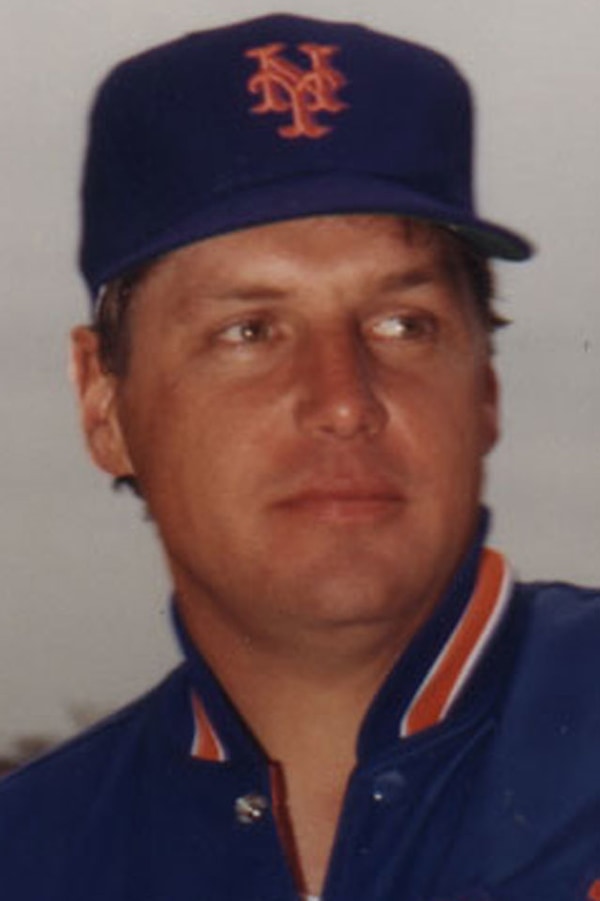
The part fans remember
What the numbers leave out.
Seaver gave the Mets an ace and a brand-new franchise a reason to believe it belonged. When he took the mound, the whole team looked more serious—and fans expected something good to happen.
Seaver arrived in 1967 after the Mets won a special lottery for his rights, and the feeling around the franchise changed almost immediately. He won Rookie of the Year, made the All-Star team, and gave a team known for losing a true ace to build around. Two years later he won 25 games, earned the Cy Young Award, and led the Miracle Mets all the way to a championship.
He stayed great long after the miracle. There were 200-strikeout seasons, Cy Young Awards in 1973 and 1975, and several painful near-misses at a no-hitter. Then came the Midnight Massacre in 1977, when a fight with management ended with Seaver being traded to Cincinnati. The anger lasted because Mets fans knew the franchise had pushed away the one player it never should have lost.
His return in 1983 was emotional even though the team was not ready to win. By the end of his Mets career, Seaver had 198 wins for the club and had created the standard for every ace who followed. Other Mets have had amazing peaks, but nobody else has carried the identity of the entire franchise quite like Tom Terrific.
The honest version
The best stretch
Seaver’s best seasons were not built on one overpowering trick. He could beat hitters with velocity, command, movement, preparation, and the late drive from his legs that became his trademark. From 1969 through 1971 he averaged 21 wins and 260 strikeouts a year while pitching huge workloads. Every fourth day, a young franchise that still carried the memory of 120 losses expected to win because number 41 was taking the ball.
The part that got messy
The numbers miss how completely Seaver changed the way people spoke about the Mets. Before him, losing had been part of the team’s charm. With him, losing felt unacceptable. He challenged teammates, management, and even the front office when he thought the club was moving backward. That seriousness could create conflict, but it was also the reason the Miracle Mets stopped feeling like a cute accident and began believing they belonged among baseball’s real teams.
Why fans still care
Every later Mets ace has been measured against him, usually unfairly. Gooden had the more explosive single season, deGrom reached a nearly unhittable level, and others produced wonderful stretches, but Seaver combined greatness, length, October success, and franchise meaning. The Midnight Massacre hurt so badly because fans were not merely losing a pitcher. They were watching the organization trade away the person who had taught it what excellence looked like.
Seaver was more than the best pitcher the Mets ever had. He was proof that the franchise could be serious. Every later ace has been compared with him, and the 1977 trade still feels like a wound because fans understood exactly what was being taken away. Calling him The Franchise was not marketing. It was the simplest description possible.
Signature Mets momentThree Cy Young Awards as a Met and the ace of the 1969 World Series champions.
The short list
The stuff worth remembering.
- 011967 NL Rookie of the Year
- 021969 World Series champion
- 03198 Mets wins