 Unofficial fan project
The Mets Powerhouse
Keith Hernandez
First baseman · Mets 1983–1989
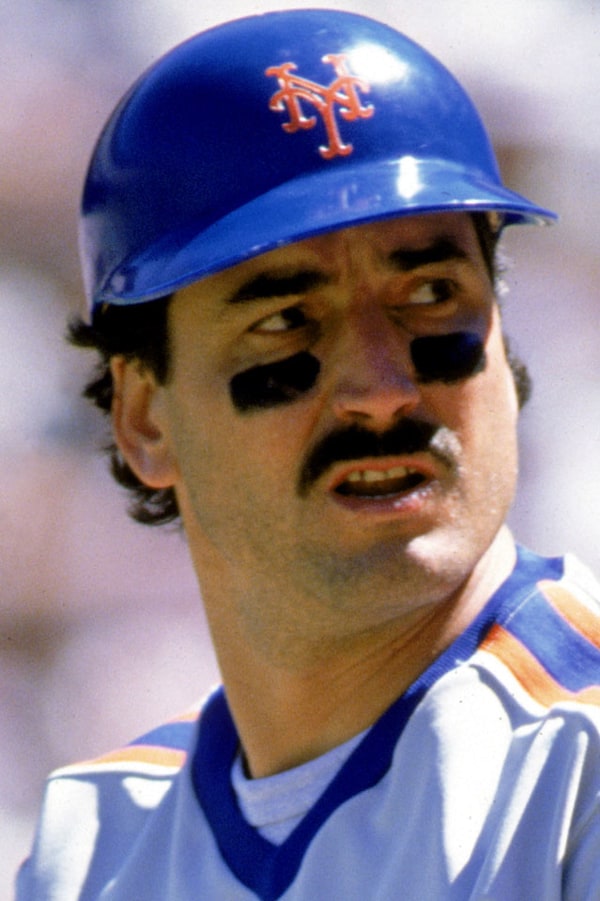
The part fans remember
What the numbers leave out.
Keith arrived when losing had become normal and immediately made the Mets carry themselves differently. He saved runs, controlled the clubhouse, and made a young team understand what winning was supposed to look like.
The Mets acquired Hernandez from St. Louis in June 1983, at a time when losing had become normal in Queens. He did not love the trade at first, but his arrival changed the way the young club carried itself. He controlled the strike zone, turned bunts into outs from first base, organized cutoff plays, and expected the players around him to understand the game as well as he did.
By 1984, the Mets had become contenders. Hernandez finished second in the MVP vote that year and remained the adult voice as Strawberry, Gooden, and the rest of the young core grew into stars. In the 1986 World Series, his two-run single started the Game 7 comeback. He later became the first official captain in Mets history alongside Gary Carter.
His playing career ended without an easy goodbye, but his relationship with Mets fans only grew. The television booth introduced his humor and honesty to another generation, while number 17 finally went up at Citi Field. Keith is loved for the mustache and the stories now, but the foundation was serious: he helped teach the Mets how a winning team behaves.
The honest version
The best stretch
Hernandez’s 1984–86 peak cannot be understood from home runs alone. He controlled at-bats, used the whole field, reached base, drove in runs, and played first base as if the position had different rules for him. His quick throws and aggressive movement changed bunts into outs and made the entire infield better. Once he arrived, the Mets stopped acting like a rebuilding club and started expecting to beat everyone.
The part that got messy
Leadership is often described in vague terms, but Keith’s was visible. He challenged teammates, talked constantly on the field, and wanted the ball hit toward him in important spots. In Game 7 of the 1986 World Series, his two-run single began the comeback from a 3–0 deficit. When the Mets needed a serious at-bat, the captain usually supplied one.
Why fans still care
His second Mets life in the television booth made him beloved by fans who never saw him play. The humor, blunt opinions, and stories are now part of every season, but they should not hide the greatness of the player. Retiring number 17 honored an elite defender, a championship leader, and the person who gave the rising 1980s Mets their edge before all the young talent fully arrived.
Keith changed the temperature of the whole franchise. He made first base look like the most important defensive position on the field, demanded that teammates think ahead, and gave a young, talented club an adult in the room. The mustache, the bunts, the relay throws, and the television booth are all part of the love now—but the player was even better than the personality.
Signature Mets momentThe captain and field general of the 1986 World Series champions.
The short list
The stuff worth remembering.
- 011986 World Series champion
- 02Six Gold Gloves as a Met
- 03Number 17 retired